Hello Gardeners and Friends of PPCG,
Let’s first acknowledge the challenges we faced at PPCG: 2020 was the growing season none of us signed up for, from seed shortages and store closures to limited gardening supplies and plant stock. We were locked out of our shed with all of its tools and hoses and couldn’t hold our work parties and annual harvest picnic. Our new beekeeper had to cancel his hive. And then there were periods of record heat plus drought conditions.
For some of us it wasn’t worth the risk and hassle, on top of everything else we were coping with in a pandemic year. Five members took the option to keep their plots reserved for 2021. Others couldn’t wait to get started and chafed at the fact that we were cut out of our spring growing season.
We thank all of you, whether you gardened this year or decided to wait for better circumstances. We also thank Director McGrath from the health department, Councilor Donna Connors, and Mayor Kokoros for helping us get our safety rules in place for the summer growing season.
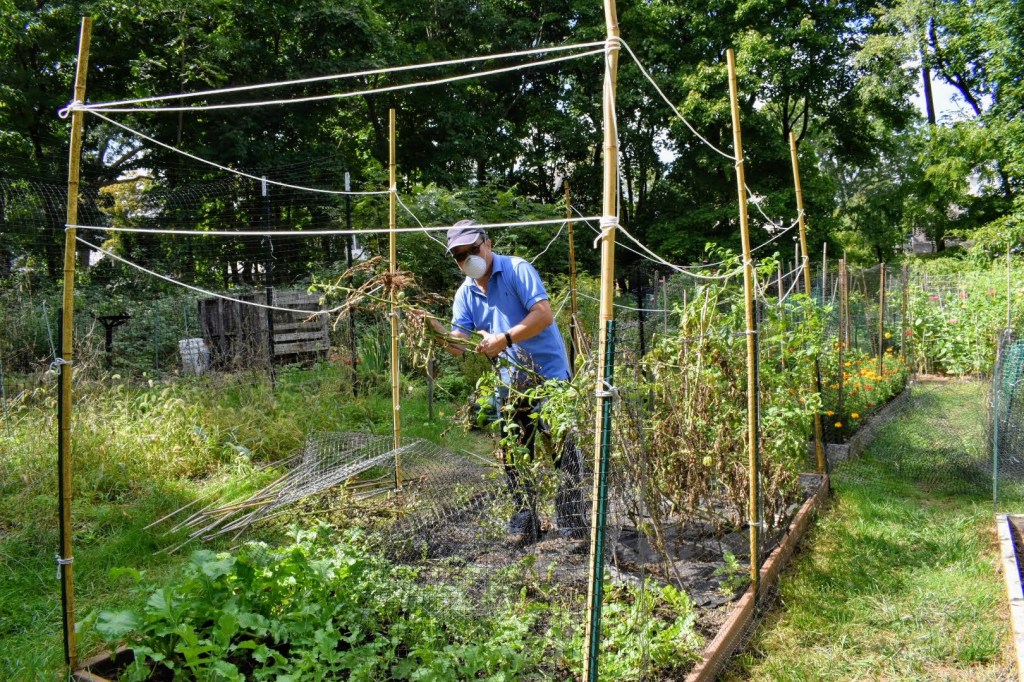
If you held off in 2020, we hope to see you again soon; your gardens were maintained and will be ready for you in 2021. For those of you who were able to make our garden space work, we appreciate all of your careful attention to our rules with regard to wearing face masks, cleaning hose connections, and keeping a safe physical distance from each other. It was good to see you and share garden talk. Thanks to everyone for keeping an eye out on each others’ gardens and helping with watering as needed. It wasn’t a typical year, but all of this is what ‘community’ meant to us in 2020.
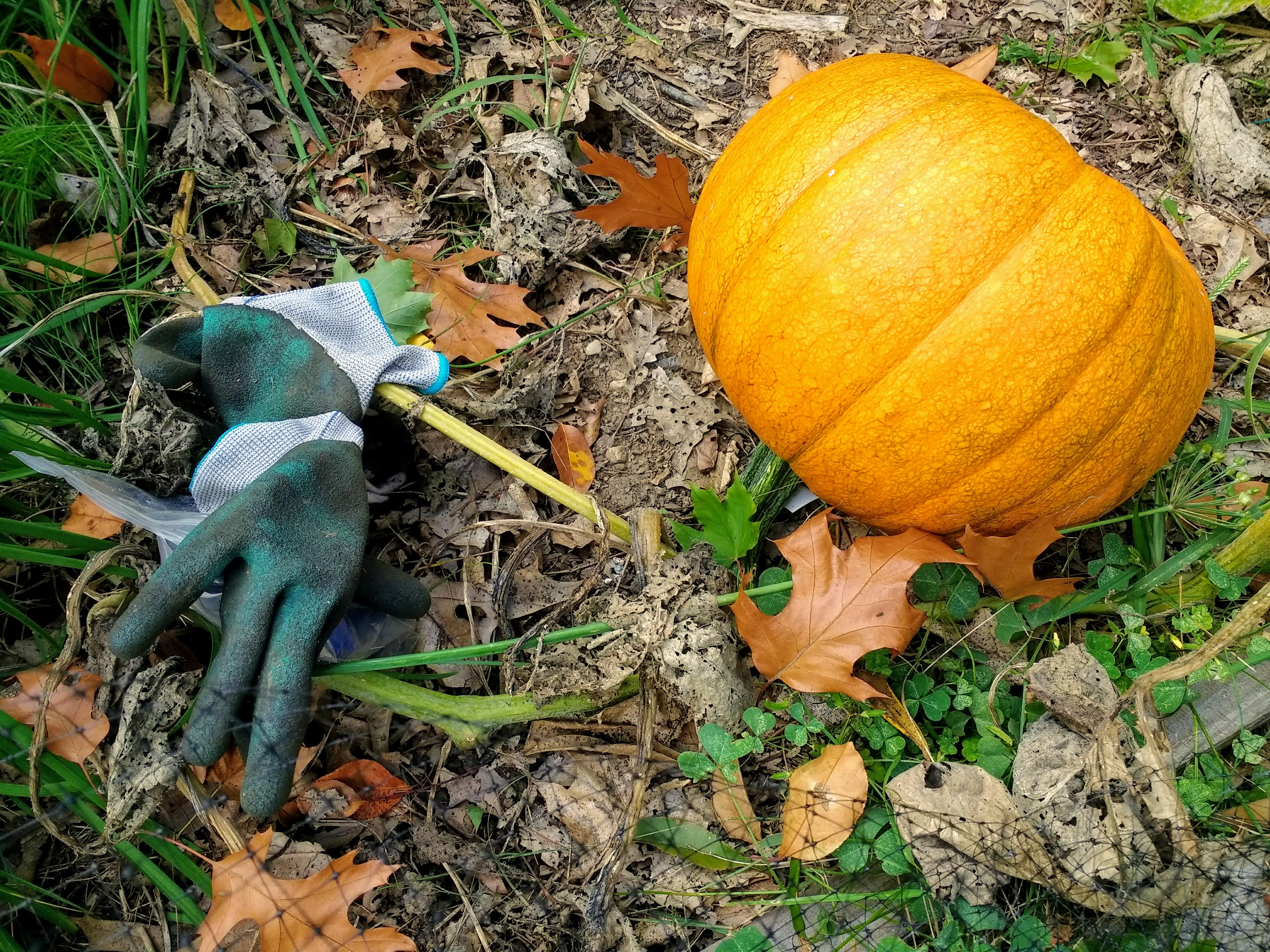
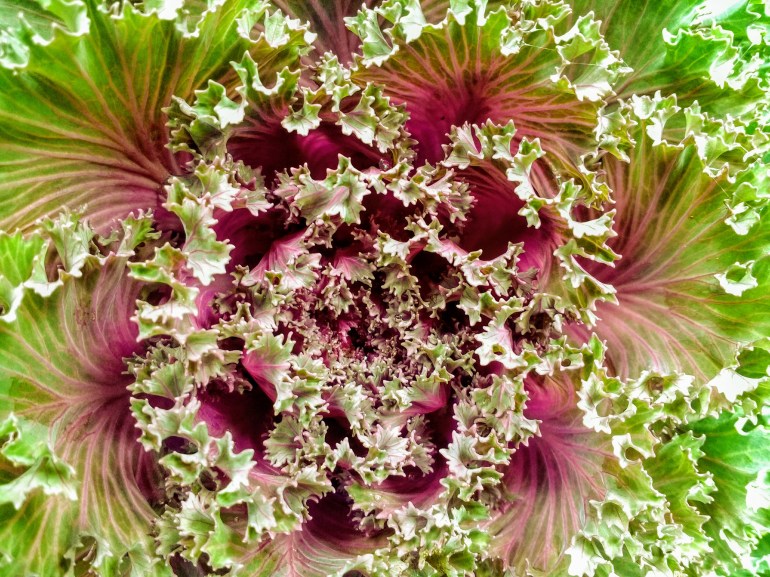
And how about all of the good crops that came out of our plots? We had a lot of tomatoes, eggplants, peppers, beans, garlic, kale, and flowers, to name a few. Cucumbers did well in the beginning of the summer, and then many vines collapsed from disease. Some other more unusual crops for PPCG growers included pumpkins and other types of squash, pink celery, corn, winter radish, and asparagus. It’s always great to see how new crops and varieties fare in our space, because even if they don’t quite make it, we always learn more about how to try again in another season. It looked like we were close to getting some corn this year, for example, but then the deer figured out how to bust down fences. They were thirsty beasts this summer.
Speaking of fencing, we’re having ongoing problems with the use of fine mesh netting, which easily gets caught in the mower and isn’t safe for wildlife. Gary rescued a few tangled birds this summer alone. Moving forward, we ask that you avoid using fine netting. We know it’s a big expense and effort to install sturdier barriers, so if you have any challenge getting set up in 2021, let us know. We are allocating some of our extra funds to the cause, and along with the materials we’ve accumulated in previous years, hope to be able to eventually get all of our plots protected with safe fencing (for gardeners who want it).

During the October snowstorm (!) a tree came down on the western side of the garden, near the shed and pergola. Fortunately there was no damage to structures or plots. Thank you to Gary and the Parks Department for managing the clean up.
In addition, Gary trimmed branches along the edges of our gardening space. Since we first started gardening in Perkins Park, the trees are all eleven years taller and starting to make a significant shade impact, especially in the plots along the southern edge in the fall. We will try to figure out how to get some of those trees trimmed (with the town’s approval) so that we can continue to garden without making a negative impact on the wild spaces. Other chores to check off in 2021 include repairs to the compost bins, re-installation of the buried hose from the shed to mid garden, and assessment and care of our herb/flower garden.

Also in 2021, everyone gets a fresh start, so if you were unable to keep your plot going last season and want to give it another try this year, you are welcome to come back.
Because we do not know the restrictions we will be facing in the upcoming growing season, we are waiting to mail our 2021 applications. In the meantime, you can help our planning process by letting us know (1) if you would like to return or (2) if you are a ‘maybe,’ what general circumstances may impact your decision.
Wishing everyone a better 2021,
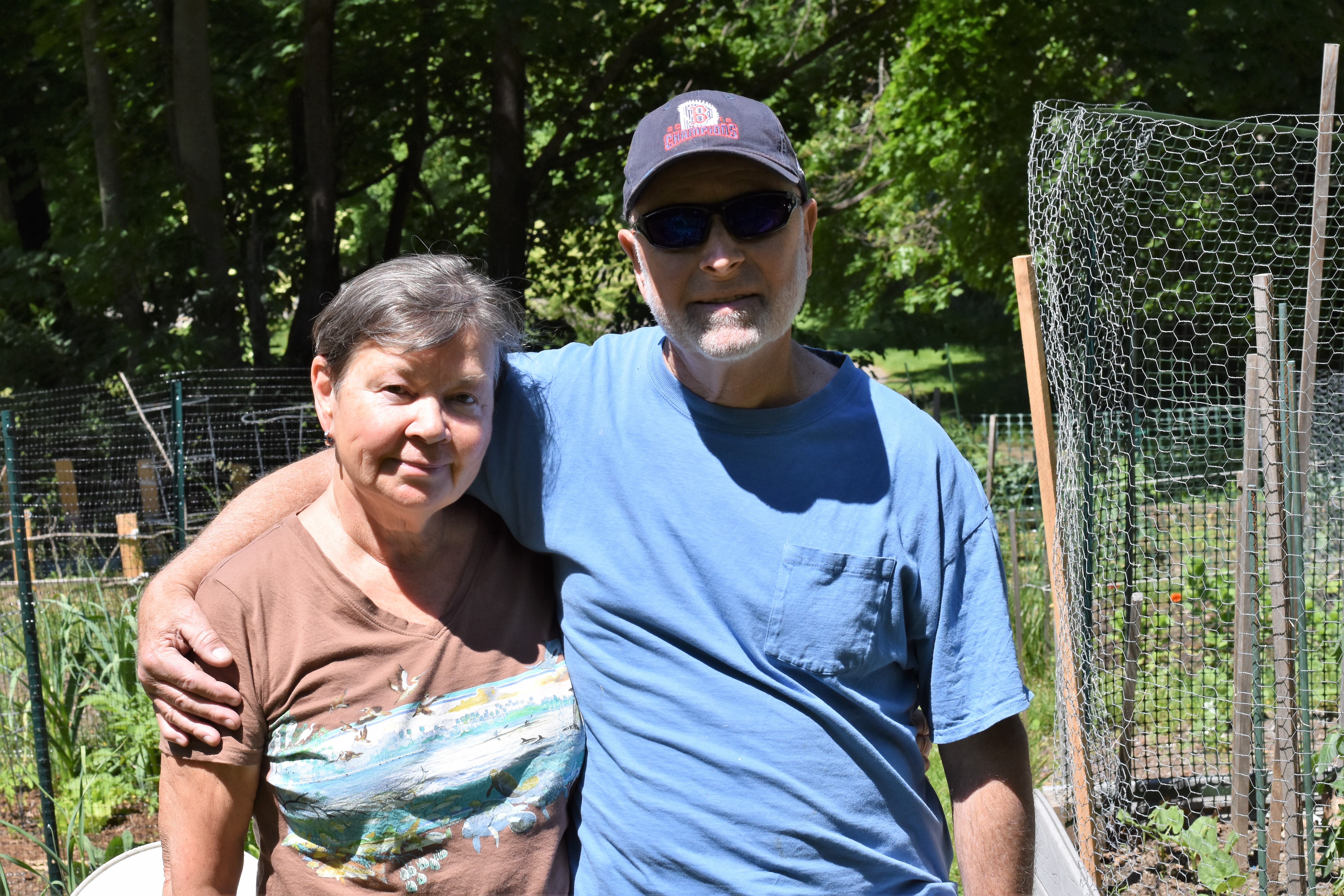
Suzanne Brothers and Gary Roden, Co-Managers PPCG
 This practice is an easy one that will make a big improvement to long-term soil health. It’s up to you to choose what materials you’d like to use. Leaves and tree debris and healthy crop residue are free for the taking, but shredded mulch, straw, etc., and fall cover crops are other possibilities. Also consider leaving behind garden plant roots in the soil (or even leave the whole plant intact if it’s healthy) and limit your digging. I know the end results looks a bit messy if you are used to and evenly-raked clean garden bed, but these methods will build healthy soil.


 Perkins Park